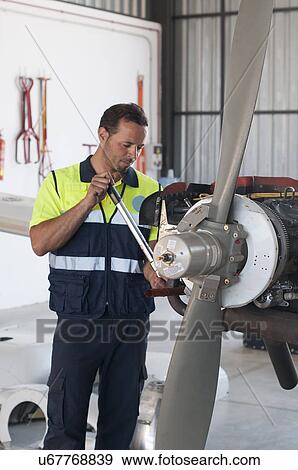
 It's time to write another blog. What to choose as a topic?When talking with my wife this morning, this topic came up. What about some maintenance horror stories. Yes, I've had a few, as most pilots that fly a lot probably have too.
Early in my flying career, with a fresh pilots license, this happened. I was renting a Cherokee 140 for a short local hop out of Syracuse. Lovely day, CAVU only a few scattered clouds at 9500 feet. Did a quick pre-flight (too quick). Hopped in and cranked it up. Everything looked good, so off I went. Headed south at 3500 feet, doing some light air work on the way. Just a few steep turns and a couple of 360's. Then wham, all of a sudden some strange sounds coming in from the engine compartment. Checking the gages, all looked o.k. Headed back to the airport, intermittent banging sounds, not too loud persist. An expedited landing clearance was granted. Taxiing to the FBO no more noises. After shut down, popped the engine compartment doors open to find a large socket wrench lying free under the engine. Hmmm. How well did I do my pre-flight anyway?
That is just one of several such occurrences until I finally owned my planes. Which reminds me of some very sage advice given by an instructor pilot and friend years ago. His rule with regards to plane maintenance was this: He who fixes it will accompany the pilot on the first flight made after the work is finished. Now that is an incentive to do careful work.
Finally I will relate another event I experienced that violated this rule. I had a B-55 Baron for some time and wanted to sell it and move on to another plane. Got an interested party in Indiana willing to pay the asking price. I just had a rebuilt engine installed a few days prior planned departure. Did a quick check ride. Everything seemed all right. So off I went on this 3 to 4 hour flight. Nothing remarkable in the air, all systems seemed o.k. But upon landing and on the taxi to the terminal I noted something dripping from the left engine. After shut-down there was a large oil puddle under the engine, unmistakable for a leak. Well the proposed new owner and his mechanic loved it. Long story short. I had to catch an airliner back to Syracuse, where I had a work commitment. We settled for $5000 less then the "agreed upon" price.
The moral offered by my loyal friend-mechanic had not been followed, and it cost me.
So here is my rule.
When ever a plane has significant maintenance, have the mechanic go on the first flight.


 Preparing for writing the next blog is an interesting
task (most of the time). Lately I have been made aware of so many accidents
related either to the take-off or landing phases of flight, that I started to
read about the landing and take-off processes.* This a wonderfully written
article, with many superb illustrations, both diagrammatic and photographic. Not
only are details of the various types of gear given, but also the problems
related to the take-off and landing processes and their relationship to the
landing gear.
Preparing for writing the next blog is an interesting
task (most of the time). Lately I have been made aware of so many accidents
related either to the take-off or landing phases of flight, that I started to
read about the landing and take-off processes.* This a wonderfully written
article, with many superb illustrations, both diagrammatic and photographic. Not
only are details of the various types of gear given, but also the problems
related to the take-off and landing processes and their relationship to the
landing gear.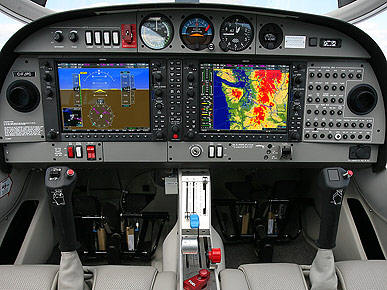 As it is approaching Christmas, I am going to offer a
present early, an abbreviated blog. Do I hear you cheering out there? Well,
here goes. This is aimed at you digital types, with all glass cockpits. In case
you missed it, all glass. Do you have any back-up analog instruments?
No. Well here is why you need them if you do any IFR flying in real weather conditions.
Let us suppose that you are on an ILS instrument approach with a visibility of ½ mile
and a ceiling of 200 to 300 feet. I’ve been there many times and it not only requires
precision, but an alternative option. The option to quit the approach if it is
not working out, for whatever reason.
What if at the last few feet of your descent, the digital (glass) system
fails? Yes, just goes blank. If you have your analog gauges insight and working,
you should be able to institute a missed approach.
As it is approaching Christmas, I am going to offer a
present early, an abbreviated blog. Do I hear you cheering out there? Well,
here goes. This is aimed at you digital types, with all glass cockpits. In case
you missed it, all glass. Do you have any back-up analog instruments?
No. Well here is why you need them if you do any IFR flying in real weather conditions.
Let us suppose that you are on an ILS instrument approach with a visibility of ½ mile
and a ceiling of 200 to 300 feet. I’ve been there many times and it not only requires
precision, but an alternative option. The option to quit the approach if it is
not working out, for whatever reason.
What if at the last few feet of your descent, the digital (glass) system
fails? Yes, just goes blank. If you have your analog gauges insight and working,
you should be able to institute a missed approach.